Jan 10, 2026
Portland Bicycle Accident Attorney: What To Do After A Bike Crash In Oregon
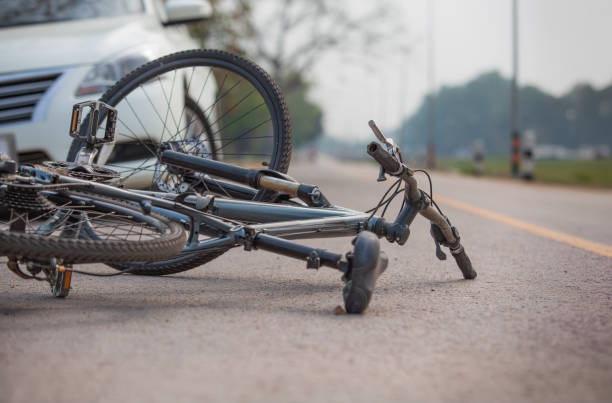
Bike crashes in Portland happen fast. One moment you are riding through an intersection, the next you are on the pavement trying to figure out what just happened and whether your bike is even rideable. The choices you make in the first hour and the first week can shape your recovery and your claim. This post walks through practical steps, common injury patterns, and how a Portland bicycle accident attorney can help you protect your health, your evidence, and your finances after a collision.
First, Get Safe And Get Medical Help
If you can move, get out of traffic and to a safe spot. Call 911 if there is any chance you have a head injury, neck pain, a broken bone, or heavy bleeding. Even if you feel mostly fine, get checked out. Adrenaline masks symptoms, and some of the most serious injuries show up later.
- Accept medical care at the scene if it is offered and you are not sure.
- Ask for transport if you hit your head, lost consciousness, or have back or neck symptoms.
- If you do not go to the ER, schedule urgent care or a primary care visit within 24 to 72 hours.
A Quick Conversation That Comes Up All The Time
Driver: “Are you okay? You came out of nowhere.”
Cyclist: “I think I am okay. I just want to get home.”
This is a normal reaction, but it is also how people accidentally give away a claim. You do not need to argue at the scene. Keep it simple.
- Exchange information.
- Ask for witnesses.
- Let the police document what happened.
- Do not guess about speed, signals, or who caused it.
Collect Evidence Before It Disappears
Portland bicycle collision cases often turn on details that are easy to lose: where the bike ended up, the angle of a car, skid marks, debris, a broken helmet, and whether there was a bike lane marking or a turn arrow. If you can safely do so, take photos and video.
- Wide shots of the whole scene from multiple angles.
- Close-ups of damage to the bike, car, helmet, and clothing.
- Road conditions: potholes, gravel, wet leaves, construction plates, paint striping.
- Signals and signs: stop signs, lane markings, crosswalk indicators.
- Injuries over time: bruising evolves, swelling changes, scars develop.
If there may be camera footage, act quickly. Nearby businesses, apartments, and public-facing systems often overwrite video in days, not months.
Common Portland Bike Crash Scenarios
Understanding the pattern helps you understand what evidence matters.
- Right hook collisions: a driver turns right across a bike lane.
- Left cross collisions: a driver turns left in front of an oncoming cyclist.
- Dooring: a parked car door opens into the rider’s path.
- Unsafe lane changes or merges into a bike lane.
- Intersection failures: rolling stops, distracted driving, failure to yield.
- Commercial vehicle crashes: delivery vans, rideshare vehicles, work trucks.
Injuries That Can Be More Serious Than They Look
Bicycle crashes can cause high-energy impacts. Even a low speed collision can produce major injury because the rider is unprotected.
- Concussion and traumatic brain injury: headaches, dizziness, light sensitivity, memory issues.
- Facial injuries and dental trauma.
- Fractures: collarbone, wrist, ribs, pelvis, ankle.
- Spinal injuries: herniated discs, nerve symptoms, cervical strain.
- Road rash with infection risk and scarring.
- Psychological impact: anxiety riding again, sleep disruption, PTSD symptoms.
Document symptoms as they show up. If something changes, tell your provider. The medical record often becomes the backbone of your damages claim.
How Fault Is Proven In Bicycle Accident Claims
Fault is not just about what someone says at the scene. It is proven through evidence: statements, physical damage, roadway layout, timing of signals, and how each party behaved. Oregon follows a modified comparative fault system, meaning fault allocation matters. The clearer you can make the story with evidence, the stronger your position tends to be.
- Police report and crash narrative.
- Witness statements, especially from neutral third parties.
- Video footage from businesses, dash cams, or nearby cameras.
- Vehicle damage patterns and bicycle damage points.
- Medical evidence that matches the mechanics of the impact.
- Cell phone records in distracted driving cases when available through formal processes.
What Insurance Adjusters Often Do After A Bike Crash
Insurance companies move quickly after bicycle collisions because early statements can shape the claim. You may get a call asking for a quick recorded statement or an offer that sounds helpful but is designed to close the file cheaply.
- They may ask leading questions that frame the cyclist as careless.
- They may try to downplay injuries as soft tissue even when symptoms are serious.
- They may push a fast settlement before the full treatment picture is clear.
- They may request broad medical authorizations that go far beyond the crash.
You can be polite and still protect yourself. You can decline a recorded statement and focus on medical care and documentation.
Damages In A Portland Bicycle Accident Case
Every case is different, but bicycle crash damages often include more than the ER bill. The goal is to capture the real impact of the injury on your life.
- Medical bills: ER, imaging, surgery, physical therapy, follow-up care, medications.
- Future care: ongoing therapy, additional procedures, rehab, counseling.
- Lost income: time off work, reduced hours, missed opportunities.
- Loss of earning capacity: long-term limits that change what work you can do.
- Pain and suffering: daily discomfort, reduced enjoyment, loss of sleep.
- Property loss: bike replacement or repair, helmet, clothing, accessories, electronics.
What To Do If You Were Hit By A Driver Who Says You Were In The Wrong
This is extremely common. Drivers may assume bikes should not be there, even when the cyclist had the right of way. If you are told you came out of nowhere, treat that as a signal that you need to preserve evidence.
- Write down your route, your lane position, and the timing of lights or stops while it is fresh.
- Identify and contact witnesses quickly.
- Preserve your bike and gear in the post-crash condition.
- Do not fix the bike until it is photographed and documented.
When To Talk With A Portland Bicycle Accident Attorney
Some bike crashes resolve smoothly, but many do not. Consider talking with an attorney if you have significant injuries, missed work, surgery recommendations, disputed fault, a hit-and-run, or a commercial vehicle involved. An experienced personal injury attorney for a bicycle accident in Portland can help coordinate evidence, manage insurance communications, and build a clear damages picture while you focus on healing.
Practical Steps That Help Your Claim Without Feeling Like A Second Job
- Keep a simple recovery journal: pain, activities you cannot do, sleep, appointments.
- Save receipts and mileage for medical travel.
- Take periodic photos of visible injuries as they evolve.
- Follow treatment plans and attend recommended follow-ups.
- Avoid social posts about the crash or your recovery.
Talk With Cole Tait P.C. About Your Portland Bicycle Accident
If you were injured in a bike crash and are searching for a Portland bicycle accident attorney, you do not have to guess your way through the process. Cole Tait P.C. can help you understand what your claim may be worth, what evidence matters most, and how to handle insurance pressure without compromising your recovery. A conversation early on can prevent mistakes that are hard to fix later.