Jan 15, 2026
Portland Bicycle Accident Lawyer: How Bike Crash Claims Are Built And Valued
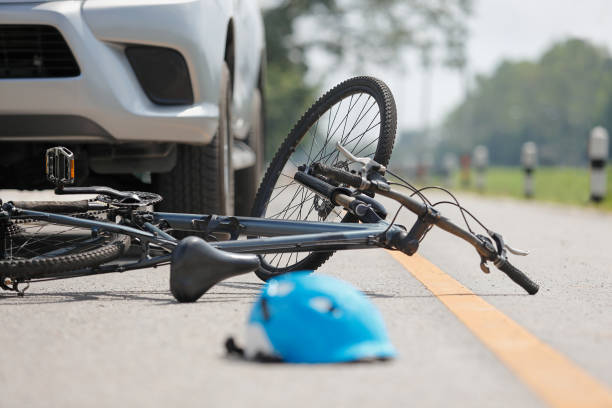
Portland Bicycle Accident Lawyer: Steps That Protect Your Injury Claim After A Bike Crash
When people search for a Portland bicycle accident lawyer, they are usually dealing with two problems at once: their body hurts and their life is disrupted, and an insurance company is acting like the crash is a paperwork issue. Bicycle accident claims are evidence-driven. The strongest cases are the ones that tell a clear story, supported by details that are hard to argue with. This page explains how a solid claim is built, what adjusters look for, and the common traps that reduce value. If you were hit in a bike lane, doored near a parked car line, struck in an intersection, or forced down by an unsafe pass, the same core principle applies: preserve the facts early and document the impact over time.
Bike crashes can also feel especially unfair because cyclists often do everything right and still end up injured. Drivers may say they “didn’t see you,” claim you came out of nowhere, or act like the bike lane is optional. Insurance companies then build their evaluation around whatever version of the story gives them the most room to reduce the payout. The goal is not to argue loudly. The goal is to create a record that makes the truth easy to prove.
The Two Things That Decide Most Bike Crash Outcomes
Most bicycle accident claims boil down to liability and damages. Liability is who caused the collision and why. Damages are what the collision cost you financially and personally. If liability is strong and damages are well documented, insurers tend to take the claim more seriously. If either one looks weak, they push harder for a discount.
- Liability proof: right of way, visibility, driver behavior, roadway layout, witness accounts, and any available video.
- Damages proof: medical records, diagnosis and treatment plan, work impact, out-of-pocket costs, and long-term limitations.
In Portland bicycle cases, liability questions often revolve around turning behavior, dooring, lane merges, distraction, and failure to yield. Damages questions often revolve around whether your treatment “makes sense” to the insurer, whether there are gaps in care, and whether your daily limitations are documented clearly enough to support a full evaluation.
A Simple Dialogue That Explains A Lot
Insurance adjusters often sound friendly and casual. That does not mean the conversation is low stakes. The adjuster is looking for words they can use later to argue shared fault or to minimize injury.
Adjuster: “We just need to hear your side. It will only take a few minutes.”
Injured rider: “Okay, I was riding, and then I guess I might have drifted a little, but…”
That one sentence, “I guess,” can become the heart of their argument for shared fault. You can cooperate without speculating. If you do not know, do not guess. If you are unsure about positioning, timing, or what the driver did first, it is reasonable to say you are still gathering information and want to review the report, photos, and medical situation before giving detailed statements.
Many riders also downplay symptoms in early conversations because they are still running on adrenaline, because they want to sound tough, or because they do not yet understand how concussions and neck injuries evolve. A casual “I’m okay” can later be framed as proof that you were not injured. It is safer to be accurate and cautious: you were hit, you are experiencing symptoms, and you are seeking evaluation.
Evidence That Moves The Needle In Portland Bicycle Accident Cases
Not all evidence is equal. Some evidence changes leverage immediately, especially when fault is disputed. The best evidence is independent evidence, meaning it does not rely solely on your memory or the driver’s story.
- Video footage showing the turn, merge, door opening, or signal timing.
- Independent witness statements confirming lane position, speed, and driver movement.
- Scene photos showing sightlines, signage, bike lane markings, and impact points.
- 911 call and dispatch notes capturing early descriptions of what happened.
- Bike computer, GPS, or app data confirming route and timing, used carefully and consistently.
One of the biggest mistakes in bike cases is waiting too long to try to locate video. Business cameras and doorbell cameras may overwrite quickly. If you know the intersection or the block where it happened, identify likely cameras early. Even if you do not obtain footage yourself, knowing where it exists can help preserve it through the right channels.
Also, keep the damaged bike and gear in the same condition they were in after the crash until they are documented. A cracked helmet, a bent wheel, torn clothing, or a broken light tells a story. It helps explain the mechanics of impact and why injuries are real even if the driver calls it “minor.”
Why Medical Documentation Is Not “Just Medical”
Your medical records do more than list appointments. They connect the crash to your symptoms and show whether the injury required meaningful care. Insurance companies look for gaps, inconsistencies, and notes that suggest a minor issue. That does not mean you should chase unnecessary treatment. It means you should treat appropriately and consistently and communicate clearly with your provider.
Medical steps that usually help:
- Get evaluated promptly after the collision, especially after any head, neck, or back impact.
- Describe symptoms accurately, including headaches, dizziness, nausea, numbness, tingling, and sleep disruption.
- Follow through with referrals when appropriate, including imaging, physical therapy, or specialists.
- Tell your provider if symptoms are worsening, changing, or interfering with daily life.
Insurance evaluations often hinge on whether your treatment timeline makes sense.
You wait weeks to seek care, they argue you were not hurt.
If you have long gaps, they argue you got better.
If you suddenly start treatment months later, they argue something else caused it.
A steady, reasonable record is harder to attack.
Bike crashes also produce a higher risk of concussion and “invisible injuries,” especially when the impact throws you to the ground. Concussion symptoms can include fogginess, sensitivity to light, headaches, irritability, and concentration issues. If you are experiencing those, it is important to say so. If they are not recorded, they are easier for insurers to dismiss later.
How Comparative Fault Can Reduce A Settlement
In many bike crash cases, insurers try to assign fault to the cyclist using familiar themes: “came out of nowhere,” “was not visible,” “was going too fast,” “was not in the bike lane,” or “should have anticipated the turn.” A careful liability investigation pushes back against assumptions and focuses on what actually happened, not what the insurer wishes happened.
Common crash patterns and how liability is often argued:
- Right hook crashes: a driver turns right across a cyclist’s path, often involving failure to yield and poor lookout.
- Left cross crashes: a driver turns left in front of an oncoming cyclist, often involving misjudged speed or distraction.
- Dooring: a parked car occupant opens a door into the bike lane without checking, often involving failure to keep a proper lookout.
- Intersection crashes: rolling stops, red-light violations, and distraction often show up in the evidence.
- Unsafe passing: a driver squeezes by too closely and clips a cyclist or forces them into a hazard.
Comparative fault arguments can be especially aggressive if the driver claims you were outside the bike lane, riding unpredictably, or “appeared suddenly.” This is where scene photos, witness statements, and video can change the entire tone of negotiations. When the evidence is clear, fault shifting becomes harder.
Damages That Are Commonly Missed By Injured Cyclists
Many people only think about current medical bills. Bike crash damages frequently include future care, work impact, and quality of life changes. Cyclists also tend to “push through” pain, which can make the injury look smaller on paper than it feels in real life.
Damages that are often undervalued unless documented:
- Future medical needs: rehab, injections, additional imaging, surgery follow-up, counseling, and continued care.
- Work impact beyond time off: reduced productivity, inability to travel, missed opportunities, job modifications.
- Household services: help with childcare, errands, driving, cleaning, lifting, and home tasks while you recover.
- Bike and gear loss: frame damage, wheel replacement, helmet, lights, lock, shoes, clothing, and accessories.
- Scar impact: road rash scarring can be permanent, visible, and meaningful, especially when it changes comfort and confidence.
- Loss of enjoyment: inability to ride, exercise, commute, or participate in activities that were part of your routine.
If you want your claim to reflect the real impact, keep a simple record of how your injury affected your week. What can you not do, what hurts, what has changed, and what help do you need. A short note on your phone is enough. It becomes a consistent way to explain your limitations later without relying solely on memory.
How Settlement Value Is Typically Evaluated
There is no universal formula, but valuation commonly looks at the severity of injury, length of treatment, future prognosis, work impact, and how convincing the liability evidence is. A claim with disputed fault can be worth less than a claim with clear proof, even if the injury is similar. That is why early evidence preservation matters.
Factors that often influence settlement value:
- How clear liability is and whether comparative fault is a real issue.
- Whether medical documentation ties symptoms to the crash and shows a reasonable treatment plan.
- Objective findings such as imaging results or documented limitations.
- How long you treated, whether symptoms resolved, and whether you have lasting impairment.
- Lost income, work restrictions, and changes to your ability to earn.
- Credibility of the story, including consistency across reports, records, and witness accounts.
Insurance companies also evaluate how “ready” a case is. If your medical course is still unfolding, they often push for an early settlement because it benefits them. If you settle before the full prognosis is known, you take the risk. Once a settlement is signed, you usually cannot come back later if your condition worsens.
What To Do If You Are Hit By A Commercial Vehicle Or Rideshare
Delivery vans, company trucks, and rideshare drivers can bring additional insurance layers and more aggressive defense strategies. The good news is that these cases often have better documentation and higher policy limits. The challenge is complexity and faster response from insurance teams.
Steps that can help in commercial or rideshare crashes:
- Identify the company, vehicle number, and the driver’s status at the time of the crash.
- Preserve app-based rideshare records if relevant, including trip details and timestamps.
- Request video quickly if a fleet vehicle or a nearby business location is involved.
- Write down any statements the driver made about work, deliveries, or being on the clock.
Commercial insurers often begin their investigation immediately. Having your own evidence preserved early can prevent the claim from being shaped entirely by the company’s version of events.
Mistakes That Reduce Bike Crash Claim Value
Most claim problems are not caused by a lack of effort. They are caused by normal human reactions: focusing on getting home, trying to be polite, and assuming the insurance company will be fair. Knowing the common mistakes helps you avoid them.
- Waiting too long to get medical care after a head or neck impact.
- Throwing away a broken helmet or repairing a bike before documenting damage.
- Posting social photos that suggest you are “fine” while you are still in treatment.
- Taking an early settlement before the long-term prognosis is clear.
- Giving a recorded statement while medicated or in pain and guessing about details.
- Assuming the police report will include every important detail without checking for errors.
Social media deserves special attention. Insurers sometimes monitor public posts. A smiling photo at a birthday dinner can be taken out of context to argue you are not in pain. That does not mean you must disappear from life. It means you should be careful about what you share publicly while an injury claim is pending.
What You Can Do This Week To Strengthen Your Case
Keep it realistic. You do not need to become an investigator. You just need to preserve what is already there and create a consistent record of what happened and how it affected you.
- Write down a timeline of the crash and the next 48 hours while details are fresh.
- List witnesses and locations that may have cameras and note addresses.
- Save receipts, appointment summaries, pharmacy records, and mileage to care.
- Track symptoms and daily limitations in a simple note on your phone.
- Take photos of visible injuries as they heal, including bruising and road rash.
- Keep damaged gear and the bike in the same condition until documented.
These steps can feel small, but they help create clarity. Clarity is what insurers dislike most when they are trying to discount a claim. A clear timeline, clear evidence, and clear medical documentation usually lead to a stronger negotiating position.
Talk With Cole Tait P.C. If You Need A Portland Bicycle Accident Lawyer
If you were injured in a bike crash and want clear guidance, Cole Tait P.C. can help you evaluate liability, damages, and next steps. Whether you are looking for a bicycle accident attorney Portland or comparing Portland bicycle accident lawyers, the goal is the same: protect your recovery and build a claim that matches the real impact of what happened. That means preserving evidence early, documenting injuries consistently, and pushing back against comparative fault arguments that are based on assumptions instead of facts.
If your injuries are affecting work, sleep, and daily life, you do not have to handle the process alone. The right approach is practical and organized: understand the story the evidence tells, make sure your medical record reflects reality, and avoid the early mistakes that insurers use to reduce value. Your health comes first, and a well-built claim helps make sure the financial side of the crash does not become a second injury.